
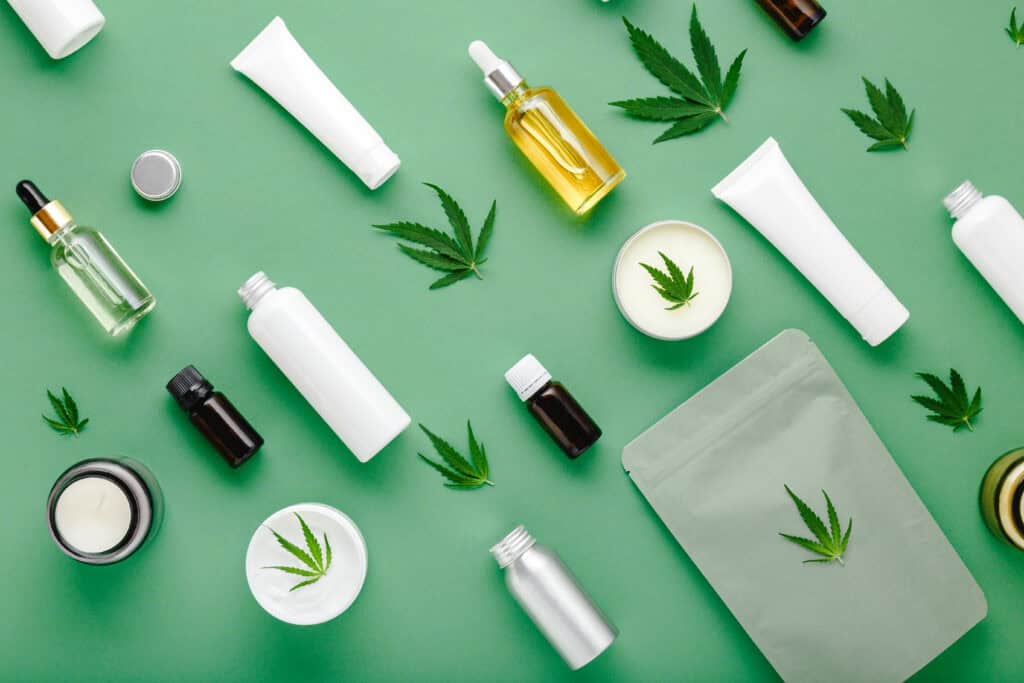
Quick Summary: Cannabis topicals and tinctures deliver THC and CBD relief without the intense high of flower or edibles. Topicals target sore muscles and joints right where you apply them, while tinctures absorb under your tongue and take effect in 15 to 45 minutes. Visit our Phoenix dispensary to find the right fit.
When you consume cannabis, the high isn’t always the point. If you want relief, you can use cannabis topicals and tinctures to get there without the intense psychoactive effects of flower or edibles.
At our Phoenix dispensary, these are go-to options for customers who want the benefits of THC and CBD without feeling impaired.
Key Takeaways:
- Topicals interact with CB2 receptors in the skin, and the cannabinoids largely don’t reach your bloodstream.
- Tinctures absorb through the tissue under your tongue and kick in within 15 to 45 minutes, noticeably faster than the 45 minutes to 2 hours edibles take.
- If you swallow a tincture right away instead of holding it sublingually, your body processes it through digestion like an edible, which slows the onset.
- CBD-curious customers, seniors, and athletes tend to benefit most from this category, since both formats offer relief without impairment, especially CBD-dominant options.
- Begin with a low dose for both formats: use a few drops of tincture or a small amount of topical, and allow time for them to work before reapplying or redosing.
How Cannabis Topicals Work
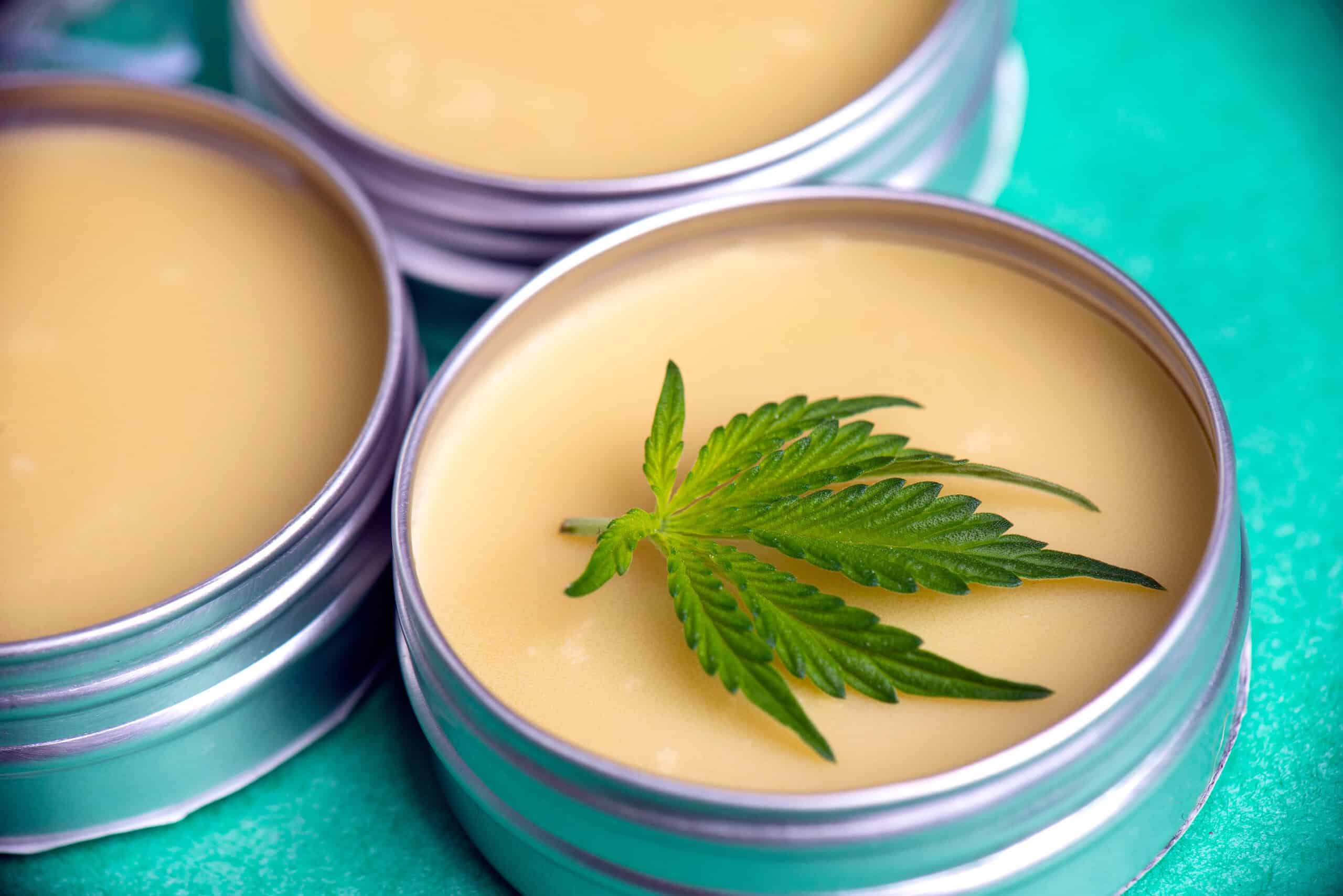
Topicals are cannabis-infused products that you apply directly to the skin. Unlike edibles or flower, manufacturers design them to stay local. You’ll find topicals in many forms, including lotions, balms, salves, roll-ons, and face creams.
Why Topicals Won’t Get You High
When you rub a topical into a sore knee or tight shoulder, the cannabinoids interact with CB2 receptors in the skin and surrounding tissue, but the skin’s outer layer largely prevents them from entering your bloodstream. You get targeted relief at the site of application without the whole-body effects of THC, and you won’t feel impaired. That’s why topicals have become a favorite among athletes managing sore muscles and joints, and why they often introduce cannabis-hesitant people to the category.
A standard topical is unlikely to cause a positive drug test, since the cannabinoids stay concentrated where you put them rather than circulating through your system.
How Cannabis Tinctures Work
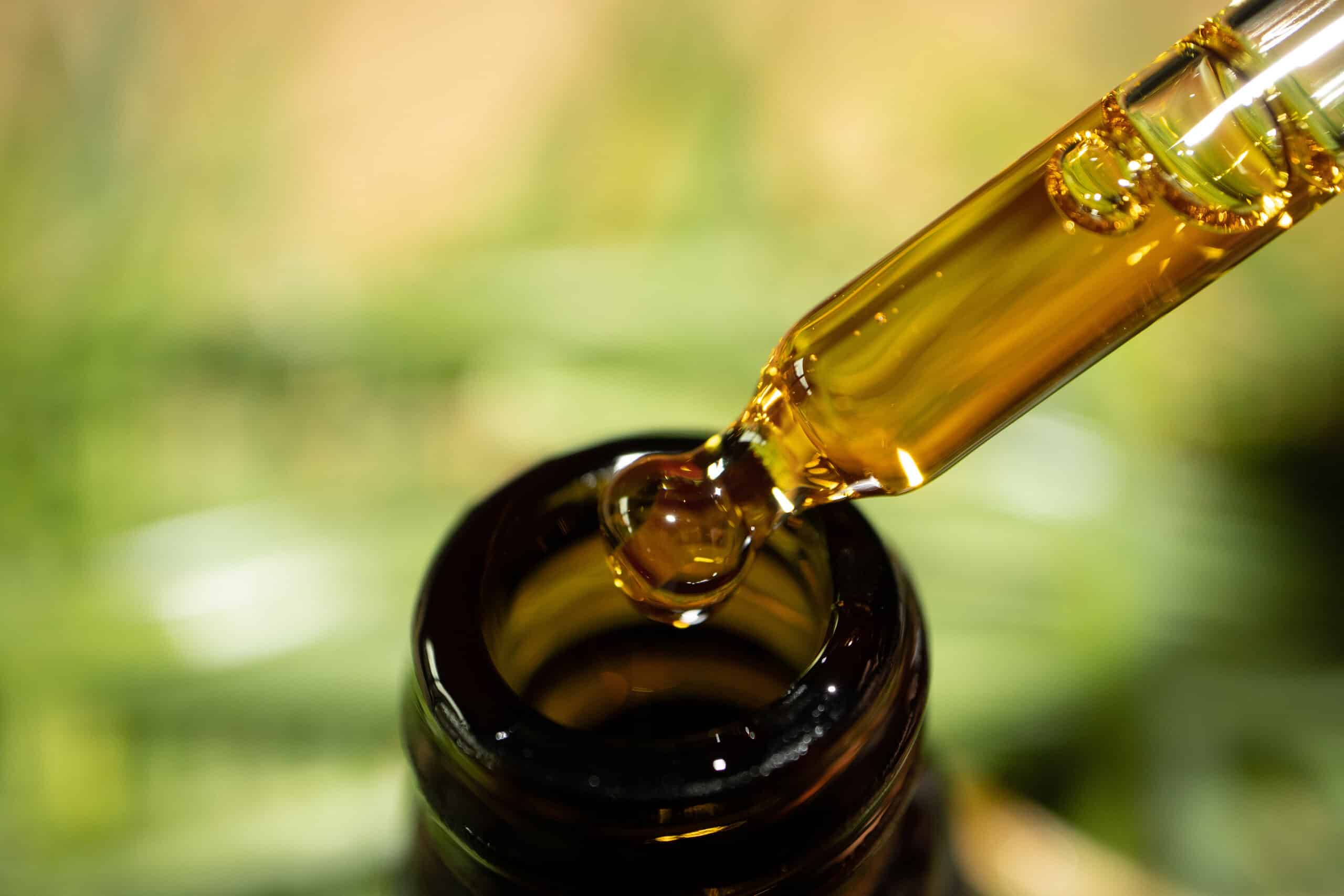
Tinctures are liquid cannabis extracts, usually alcohol- or oil-based, that you take with a dropper, most commonly by placing drops under your tongue. This sublingual method takes advantage of the thin, blood-vessel-rich tissue in your mouth. If you hold the tincture there for 30 to 60 seconds, your body absorbs the cannabinoids directly through the oral mucosa into your bloodstream. This bypasses the digestive process that edibles go through. That difference matters for both speed and predictability.
How Long Do Tinctures Take to Kick In?
Sublingual tinctures typically kick in within 15 to 45 minutes, compared to the 45 minutes to 2 hours it can take an edible to work its way through your stomach and liver. If you swallow a tincture right away, your body processes it through digestion instead, so it behaves more like an edible and takes longer to take effect.
That faster, more predictable onset is exactly why tinctures work well for dosing control. You can start with a small amount and adjust in a way that’s hard to do with a gummy you have already eaten.
Who Benefits Most from Topicals and Tinctures
Topicals and tinctures aren’t for one type of customer. They solve different problems for different people:
- CBD-curious customers who want to try cannabis without any intoxicating effects
- Seniors managing joint pain, arthritis, or sleep issues who want relief without feeling impaired
- Athletes and active people using topicals for muscle soreness and recovery
- Anyone new to cannabis who wants a low-commitment way to figure out their tolerance before trying flower or edibles
Our guide to CBD oil for seniors walks through dosing and product selection. Many older adults start with this kind of low-key, non-psychoactive format.
How to Get Started
Start with a low dose, regardless of which format you choose. For tinctures, use a small number of drops rather than a full dropper, and wait for the onset window before deciding whether you need more. For topicals, apply a small amount to the affected area and allow time for it to work before reapplying.
FAQs About Cannabis Topicals and Tinctures
- Will a cannabis topical get me high?
No. Manufacturers design topicals to act locally. When you rub a topical into your skin, the cannabinoids interact with receptors in the skin and surrounding tissue. You get targeted relief where you apply it without the whole-body effects of THC. - Can a topical make me fail a drug test?
A standard topical is unlikely to cause a positive drug test, since the cannabinoids stay concentrated where you apply them instead of circulating through your system. - How do tinctures work?
Tinctures are liquid cannabis extracts that you take with a dropper. You place the drops under your tongue and hold them there for 30 to 60 seconds. The thin, blood-vessel-rich tissue in your mouth absorbs the cannabinoids directly into your bloodstream. This bypasses the digestive process that edibles go through. - Who benefits most from topicals and tinctures?
These formats suit many people. CBD-curious customers often try tinctures or topicals to explore cannabis without intoxicating effects. Seniors use them to manage joint pain, arthritis, or sleep issues. Athletes and active people apply topicals for muscle soreness and recovery.
Shop Cannabis Topicals and Tinctures at Our Phoenix Dispensary
Ready to try topicals or tinctures? Browse our full selection online, or stop by our Phoenix location, where one of our team members can help you pick the right option.
Follow us on Facebook | Instagram | LinkedIn | X
DISCLAIMER: The contents of this blog are intended for informational purposes only. Always seek the advice of a physician or other qualified healthcare provider with any questions you may have regarding a medical condition.