
What is THCA?
Updated: April 19, 2025
For decades, most research exploring the therapeutic potential of cannabis focused on the overall effects of delta-9 THC (Δ-9 tetrahydrocannabinol) – the cannabinoid that delivers the “recreational” effects cannabis is known for. While you’ll still find multiple (outdated) sources suggesting the raw, pre-evolved form of THC is inert or “inactive,” a rapidly growing body of evidence tells an entirely different tale.
As consumer awareness increases, so has the number of The Superior Dispensary shoppers asking, “What is THCA?” After we explain its significance, many initially assume that THCA cannabis is a specific strain or that products containing enough THCA to enhance their wellness journey would be beyond their budget. But that’s not how we roll. If you’re a fan of our expertly curated flower, your bud already has an abundant supply – unless you smoke or vape it. Confused? No worries. We’ll explain.
What Does THCA Do?
When you light a joint or bong, you’re inhaling cannabinoid-infused smoke. With a dry herb pen, your flower produces dense clouds of vapor without combustion. The heat generated with both consumption methods, however, converts the THCA in your cannabis to THC. In other words, you’re experiencing the effects of inhaling the decarboxylated form of THCA. Decarboxylation alters the cannabinoid’s molecular shape – which determines which endocannabinoid system (ECS) receptor it’s drawn to. Does THCA get you high? No. Is it safe to smoke THCA? Definitely. But most of the cannabinoids will convert to THC.
THC binds with an ECS receptor in your brain and central nervous system called CB1. Activating CB1 with THC temporarily increases your dopamine levels, modifies the flow of information, and produces a relaxing, euphoric effect. THCA, on the other hand, asserts its influence on the ECS receptor CB2 – a target found in your immune system cells and peripheral tissues. Although there’s less research detailing THCA’s influence on CB2 compared to THC’s impact on CB1, preliminary studies suggest considerable therapeutic potential.
THCA’s Recommended Consumption Methods
In lab reports, animal studies, and a small but steadily growing number of clinical trials, THCA demonstrates many of the same properties as THC. But instead of increasing dopamine, THCA asserts its influence on the serotonin system receptors – a neurotransmitter essential for metabolic function, sleep cycle regulation, and emotional equilibrium. The cannabinoid also inhibits the expression of COX 1 and COX 2 – enzymes involved in inflammation and pain.
In addition to its potential benefits as an inflammation fighter, pain reliever, and mood elevator, THCA also appears to have antiemetic, neuroprotective, antioxidant, and anxiolytic (anti-anxiety) properties – therapeutic potential that’s easy to tap for relief whenever the relaxing, euphoria-inducing effects of THC could prove problematic. To take full advantage of everything THCA has to offer, our Superior budtenders generally recommend trying the following cannabis consumption methods.
Grinding Raw Flower into Foods and Drinks
Since nibbling on a dry, raw nug would not be the most pleasant way to experience the therapeutic potential of THCA, cannabis experts typically suggest grinding the bud into a smoothie or juice blend. If you’re feeling more adventurous, consider using your raw, ground cannabis as a salad topping.
Creating a THCA Tincture
Tinctures are made by submerging dried, cured cannabis in a simple, food-safe solvent – high-proof alcohol, vegetable glycerin, or MCT oil, for example. After soaking your flower for 4-6 weeks (and shaking the mixture daily), strain the cannabinoid-infused oil and store it in a dark glass bottle.
Making THCA-Infused Edibles
If you enjoy cooking or baking, consider making your own THCA-infused edibles. Ground flower can be added to cookie recipes, cake mixes, and brownie batter. Simply adjust the baking time to accommodate temperatures below 220° F, the minimum temperature needed for decarboxylation.
Visit Superior Dispensary For Premium THCA Products
The potency reflected on flower (and pre-roll) packaging is based on the total amount of THC and THCA identified in batch test results. The THCA in dried, cured cannabis does not immediately convert to THC until you smoke (or dry vape) your bud. When THC consumption could prove problematic, getting the relief you need with THCA – a non-intoxicating cannabis component – can be a game-changer.
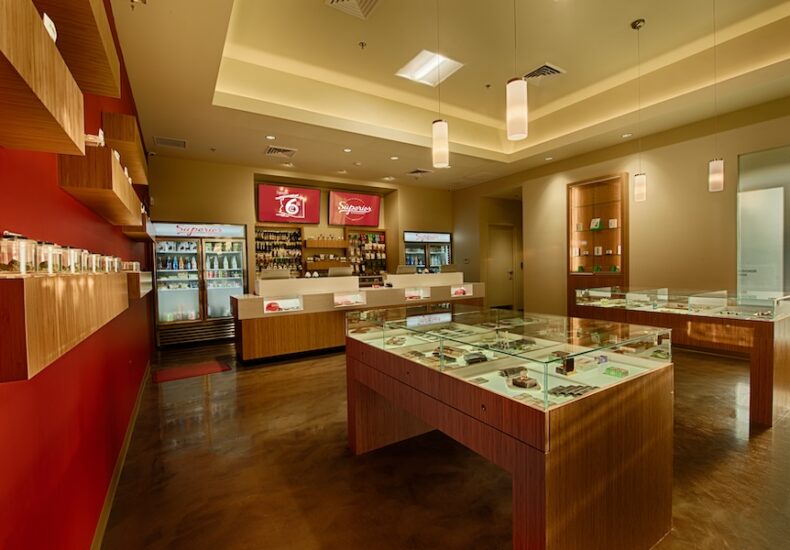
Whether you have high expectations for relaxation or want the non-intoxicating relief of THCA cannabis, we’re confident that you’re ganja have a good time browsing our selection of expertly curated products. The Superior Dispensary in West Phoenix, Arizona, is the premier destination for cannabis flower, pre-rolls, concentrates, gummies, baked goods, and more. Visit our dispensary today!
You’ll find us on South 57th Drive near Toleson & Levine. If you’re looking for answers related to “What is THCA?” we haven’t covered or have questions about THCA consumption methods, call (602) 926-9100 or submit a contact form.