Quick Summary: Distillate, live resin, and live rosin are three popular cannabis concentrates, each made differently. Distillate is refined for consistency and value. Live resin uses solvents to preserve fresh-frozen flavor. Live rosin is solventless, pressed with only heat and pressure. This Phoenix guide compares texture, potency, dabbing, storage, and price.
If you’ve ever browsed a dispensary’s concentrates section, you’ve likely seen jars labeled distillate, live resin, and live rosin, each with a different price tag. We’ve already compared those three categories in vape cartridge form for Phoenix shoppers. This guide instead focuses on the dab rig and concentrate shelf, where texture, storage, and how you consume the product matter as much as the extraction method.
We’ve put this guide together so you know exactly what you’re getting the next time you shop for concentrates in Phoenix.
Key Takeaways
- Distillate, live resin, and live rosin all start from the same plant, but the extraction method changes texture, flavor, and price.
- Distillate is a refined, near-pure cannabinoid oil, most commonly used as the base in vape carts and edibles, and the most processed of the three.
- Live resin is solvent-based; live rosin is solventless, made with only heat and pressure.
- THC percentage varies by category, but strain and full compound profile shape the experience more than the label number.
- Rosin is typically the most expensive tier, reflecting its labor-intensive, solventless process and the purity many consumers seek.
What Sets These Three Concentrates Apart
Distillate, live resin, and live rosin are all cannabis concentrates, but the process that makes each one changes what ends up in the jar.
Distillate
Producers isolate specific cannabinoids, usually THC, from the rest of the plant material through a refining process. Distillate is one of the most consistent and predictable concentrates, but the refining process strips away the terpenes that give cannabis its flavor and aroma. Many producers reintroduce terpenes afterward for flavor. Distillate-based concentrates are usually the most budget-friendly option.
Good for: shoppers who prioritize consistency and affordability over strain-specific flavor.
Live resin
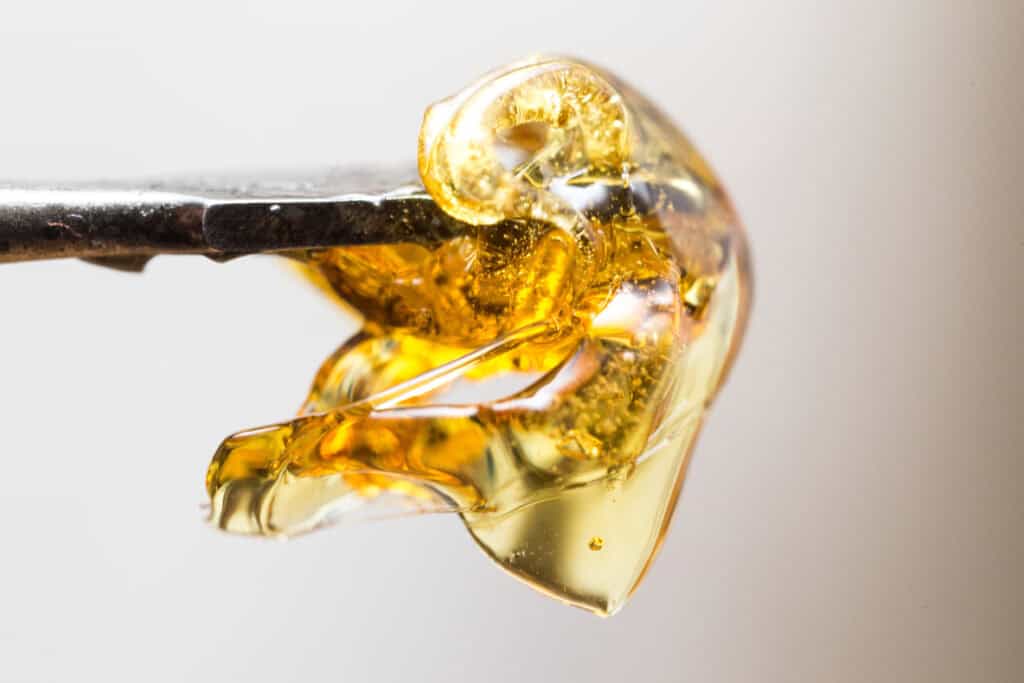
Processors make live resin from cannabis that’s flash-frozen after harvest instead of dried and cured. Freezing locks in terpenes and cannabinoids, which is why live resin concentrates are so fragrant. Extractors then use solvents like butane, propane, or CO2 to pull cannabinoids and terpenes from the fresh-frozen material.
Good for: shoppers who want a flavor and aroma profile close to the original plant.
Live rosin
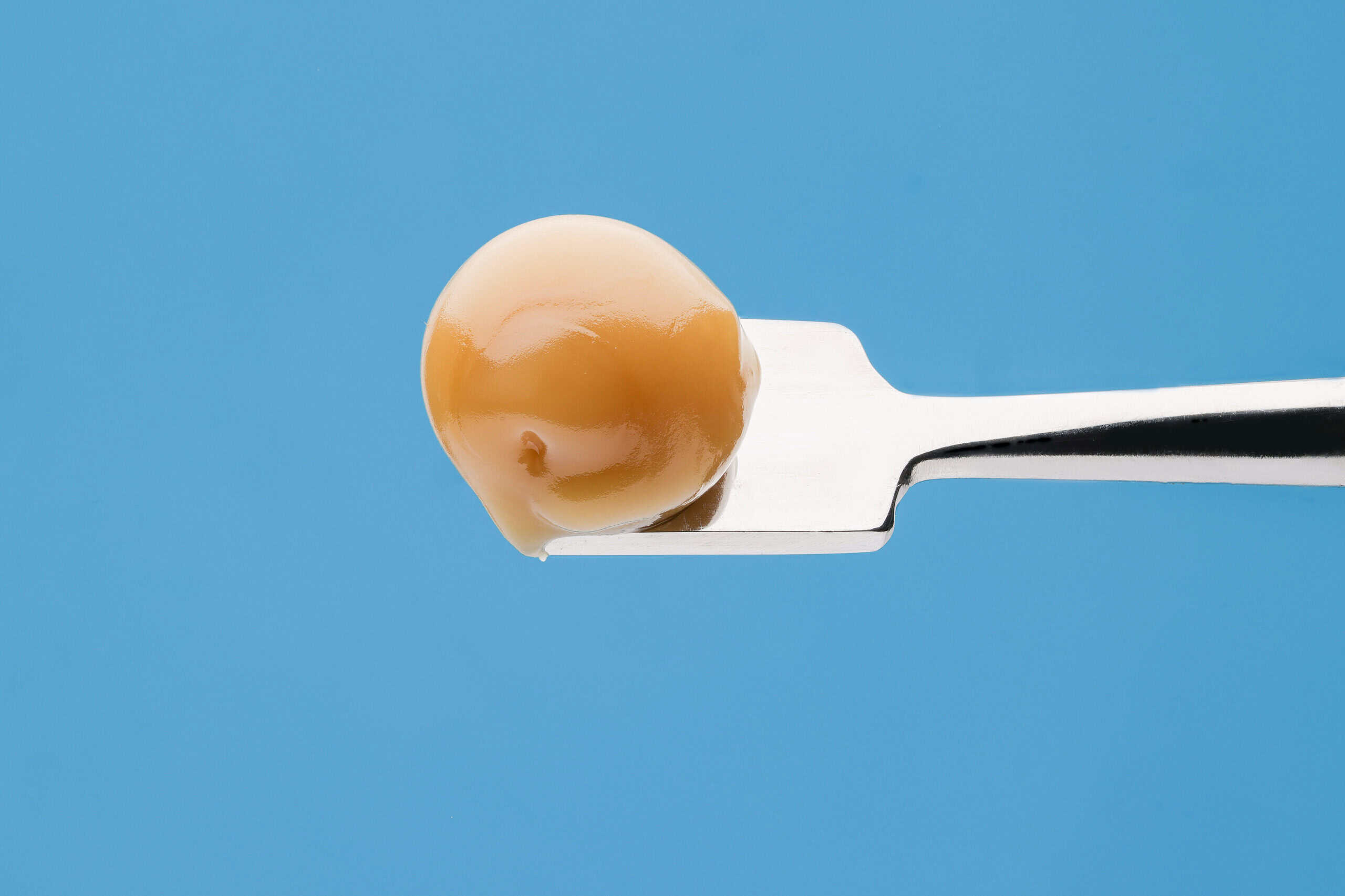
Instead of a chemical solvent, processors use heat and pressure to press rosin out of fresh-frozen flower or hash. Many shoppers choose rosin specifically to avoid residual extraction chemicals. This process is labor-intensive and yields less product per batch than solvent-based extraction, so rosin typically sits at the top of the price tier.
Good for: shoppers focused on production method and solventless purity.
Why Texture Matters as Much as Extraction Method
Once you move from carts to the concentrate case, you’ll notice each product comes in a specific texture. That texture shapes how you’ll actually use it.
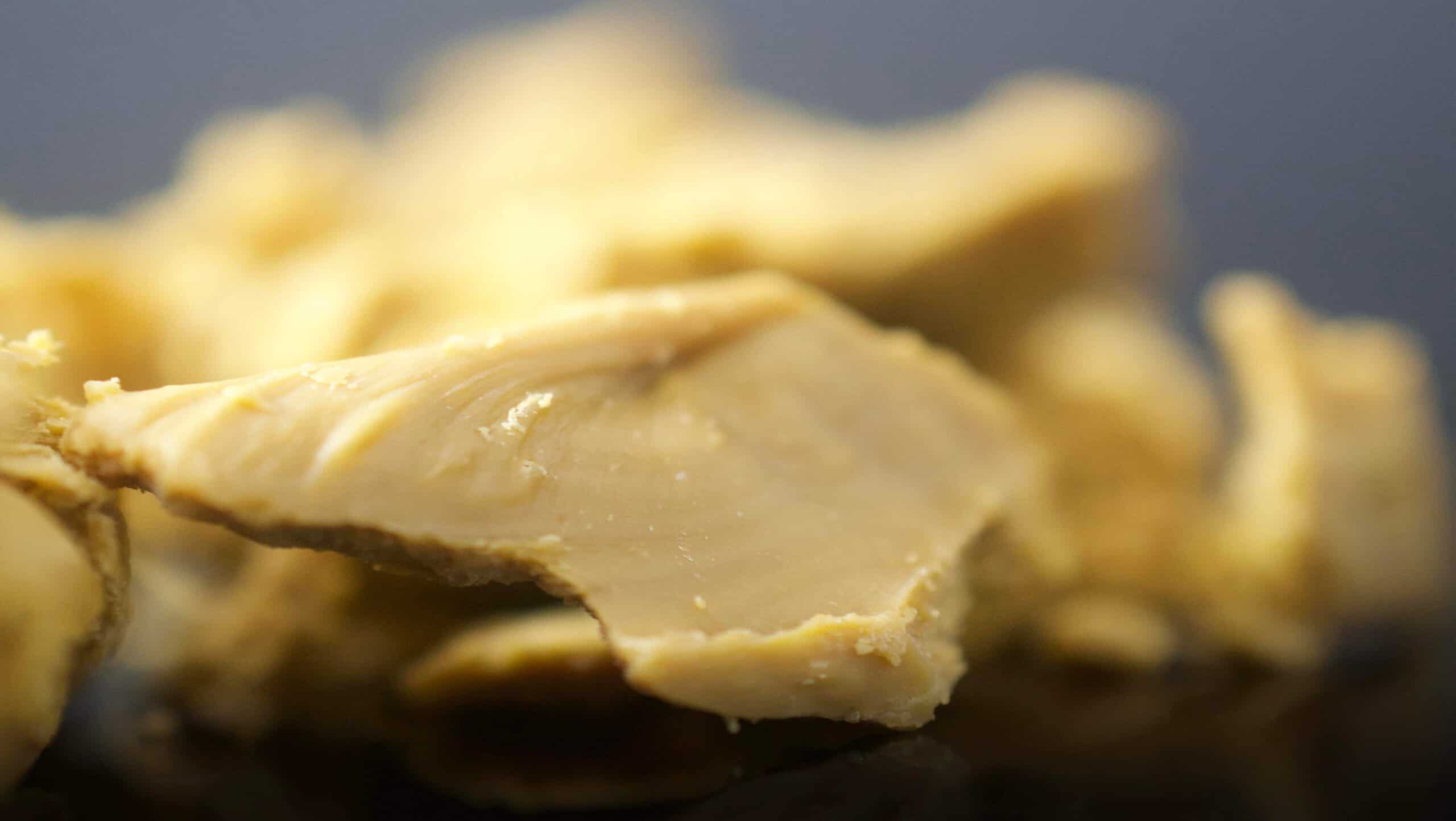
- Badder (sometimes called budder) has a soft, whipped consistency that scoops easily with a dab tool. It’s one of the more approachable textures to work with at home.
- Sauce is a thick, pourable, high-terpene liquid, often paired with THC diamonds sitting at the bottom of the jar. Sauce delivers big flavor but can be messier to handle than badder.
- Shatter has a glassy texture and snaps cleanly when you break it. It provides more stability than softer textures but can become brittle in colder temperatures.
- Diamonds are crystallized THC, extremely potent on their own and often sold alongside a terpene-rich sauce to balance flavor with strength.
Processors offer live resin and live rosin in textures like badder, sauce, and sometimes shatter, depending on how they finish the extract.
Does Potency Differ Between These Concentrates?
Many assume that solventless rosin or flavorful live resin must be stronger than distillate. Not necessarily. THC percentage varies by category, but strain and full compound profile shape the experience more than the number on the label.
Distillate is often the most potent by raw THC percentage, since the refining process isolates cannabinoids and strips out nearly everything else. Live resin and live rosin retain more of the plant’s original terpene and cannabinoid profile, which can mean a lower THC percentage on the label. Still, many consumers report a stronger, more well-rounded effect because the full spectrum of compounds works together.
You shouldn’t choose based on THC percentage alone. A live rosin at 75% THC and a distillate at 90% THC can feel very different depending on their full cannabinoid and terpene makeup.
How to Dab Each Type
Whether you’re using a torch-and-nail rig, an e-nail, or a portable dab pen, temperature affects flavor and vapor differently for each concentrate.
Live resin and live rosin are flavor-forward. Lower dab temperatures, generally in the 400 to 500°F range, preserve more of the terpene profile and give you a smoother, tastier hit.
Distillate concentrates can handle a wider temperature range without the same flavor tradeoff, since the terpenes are added back in rather than preserved. However, very high heat will degrade any concentrate over time.
If you’re new to dabbing, start small. A dab about the size of a grain of rice is plenty for most sessions, and you can always take another.
Storing Your Concentrates
How you store a concentrate matters almost as much as how you consume it. This is especially true for the more delicate solventless products.
Distillate and shatter are relatively stable at room temperature and can last several months to a year in a cool, dark, airtight container. Live resin and live rosin are more sensitive to heat and light, so both benefit from refrigeration.
Never leave any of these concentrates in a hot car during a Phoenix summer, where interior temperatures can quickly degrade terpenes and texture.
Which Concentrate Should You Choose?
There’s no universally “best” concentrate, only the one that fits what you’re looking for in a given session.
- Consistency and value: distillate
- True-to-strain flavor: live resin
- Solventless purity: live rosin
If distillate carts have been your go-to, live rosin is the next step. You’ll trade some consistency for a richer flavor and a solventless process many consider the gold standard.
The Superior Dispensary is a great place to start that upgrade. Try one of our live rosins alongside your usual pick and see the difference for yourself.
FAQs About Cannabis Concentrates for Arizona Shoppers
- What’s the difference between live resin and live rosin as dabbable concentrates?
Processors extract live resin from flash-frozen plant material using butane, propane, or CO2. They press live rosin from fresh-frozen flower or hash using only heat and pressure. Both preserve more natural terpenes than distillate. - What texture should I look for when buying concentrates?
It depends on preference. Badder has a soft, easy-to-scoop texture. Sauce pours easily and contains rich terpenes. Shatter forms a glassy sheet and breaks cleanly. Processors crystallize THC to make diamonds, which they usually pair with sauce. Texture affects handling more than potency. - Do I need to refrigerate my concentrates?
Distillate and shatter remain stable at room temperature. Refrigerate live resin and live rosin, especially if you don’t plan to use them within a week or two, since they are more delicate. Never leave concentrates in a hot car during the summer. - What temperature should I dab live rosin at?
Lower temperatures, generally 400 to 500°F, preserve more flavor in flavor-forward concentrates like live resin and live rosin. Higher temperatures produce bigger vapor but burn off more terpenes. - Is live rosin worth the higher price?
That depends on what you value. Rosin’s solventless process and labor-intensive extraction drive up the cost, and many shoppers find the purity and flavor worth the premium. Others prefer the consistency and lower price point of distillate.
Shop Concentrates at The Superior Dispensary in Phoenix, AZ
If you’re ready to explore live resin, live rosin, and distillate concentrates in person, stop by The Superior Dispensary in Phoenix or browse our online menu to see what’s currently in stock.
DISCLAIMER: The contents of this blog are intended for informational purposes only. Always seek the advice of a physician or other qualified healthcare provider with any questions you may have regarding a medical condition.